Restaurant booking system
Take table bookings online, cut no-shows and keep one diary.
Systems & automation · Restaurants
Most restaurants are full of guests they know nothing about. The booking app has names, the till has spend, WhatsApp has the chats. Malta Digital joins them into one guest record as part of our CRM in Malta work, so you can see your regulars and win back the ones who stopped coming.
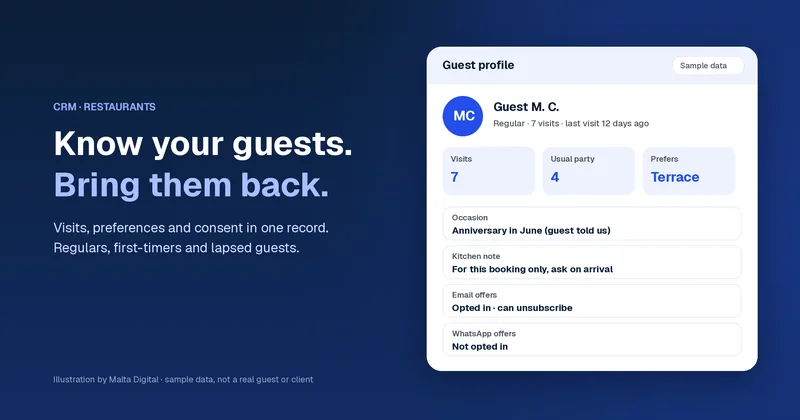
A restaurant CRM is one guest record built from bookings, visits and notes. It shows who your regulars are, who has not been back in 90 days and what each guest prefers. Malta Digital builds restaurant CRMs connected to bookings, the till and marketing as part of our CRM in Malta service, from €7,500.
The problem
A full dining room feels like success. But ask a simple question: how many of tonight’s guests have been before? Most owners can only guess. The answer is spread across the booking app, the till, a WhatsApp chat and a waiter’s memory.
That matters because a regular is worth far more than a one-off visit. You have already paid to win them once. Bringing them back costs a message, not an ad campaign.
Example sceneA trattoria in Sliema has 1,200 names in its booking app. Nobody knows which 300 are regulars, or which 400 have not been back since spring. This is a made-up example, not a client story.
Official data shows how far most restaurants are behind. Eurostat’s 2025 survey says 67.3% of Malta hotels with 10 or more staff use CRM software. Across the whole accommodation and food sector, the figure is only 28.1%. Hotels lift that number, so restaurants, cafés and bars must sit well below it.
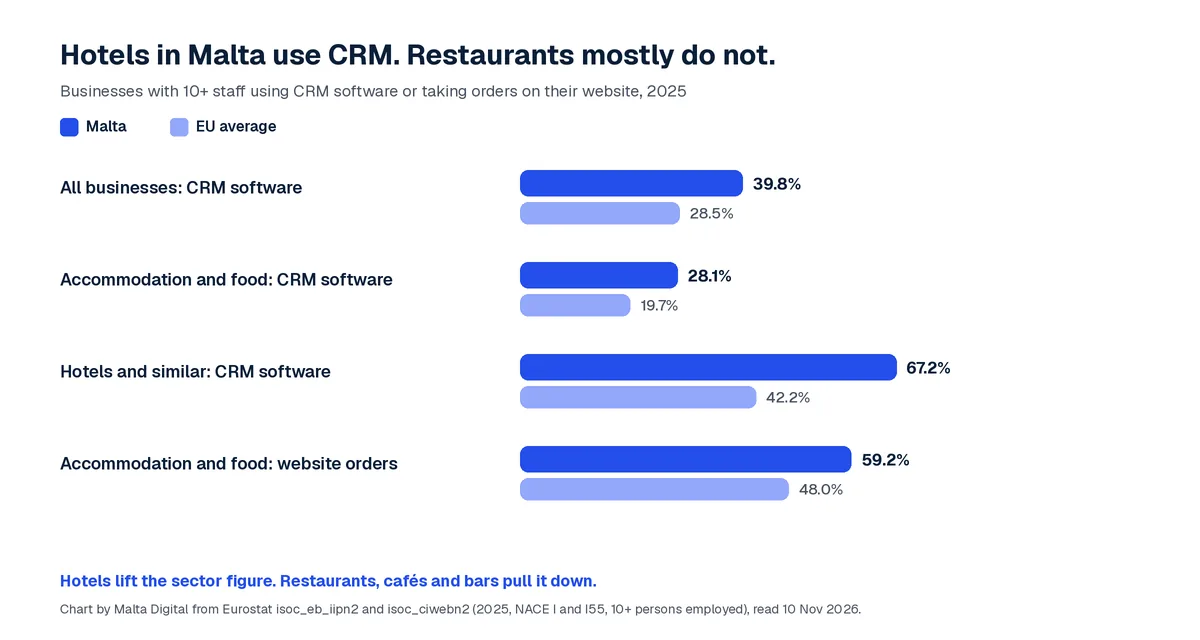
Online ordering and booking are already normal: 59.2% of Malta’s accommodation and food businesses with 10+ staff take orders or bookings on their website. The data is being collected. It just is not being used. For the wider picture of how a CRM works, start with CRM in Malta.
The record
A CRM is just a customer record that keeps itself up to date. For a restaurant, that record fills from bookings, visits and short notes from the floor. Keep it small. Every field should help you serve the guest or invite them back.
| Field | Where it comes from | Why it helps |
|---|---|---|
| Name, phone, email | The booking | Recognise the guest and confirm bookings |
| Visits and last visit | Bookings and walk-ins | Spot regulars and lapsed guests |
| Party size | Each booking | Plan tables, offer group dates |
| Spend per visit | The till, as a total | See value without storing every dish |
| Seating preference | A note from staff | Terrace, quiet corner, high chair |
| Occasions | Only if the guest shares them | A birthday or anniversary invite |
| Consent per channel | The booking form | Email yes, WhatsApp no, for example |
Two fields need extra care. Allergy notes are for the kitchen and that booking only. Occasions should come from the guest, never guessed. A CRM that respects that line feels like good service. One that crosses it feels creepy.
Segments
A segment is a saved filter on your guest list, such as “no visit in 90 days”. It updates itself. You decide once what each group should hear, and the CRM keeps the lists fresh.
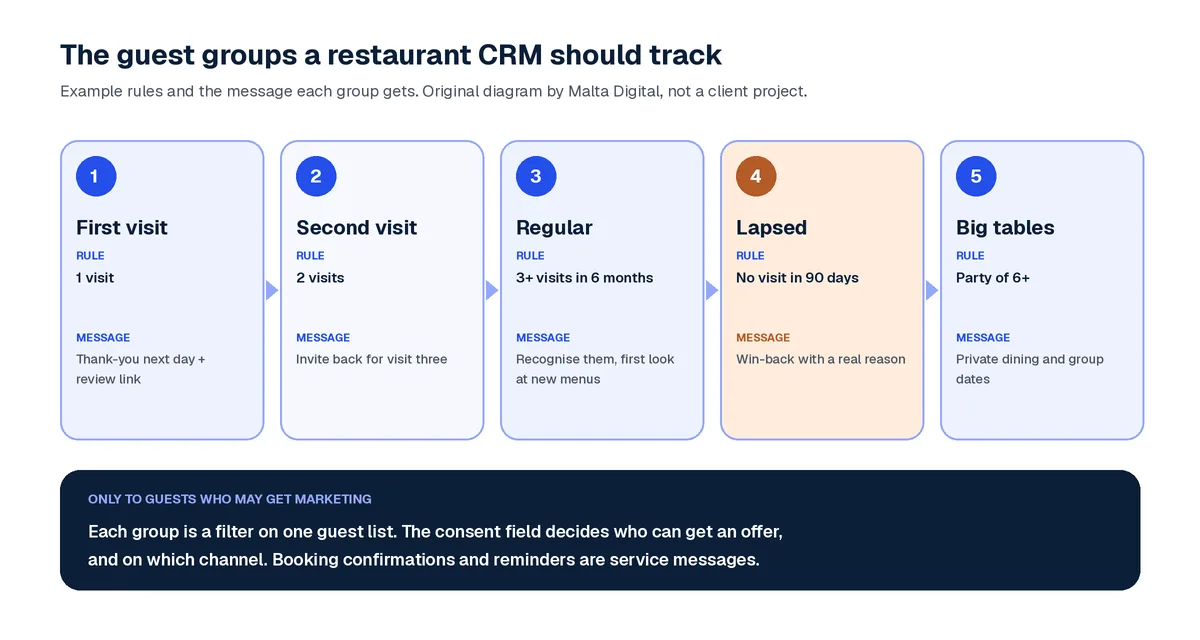
The lapsed group is where the money is. These guests already know your food. A short, honest note with a real reason to come back, such as a new menu or a quiet-night table, works better than a big discount.
Malta adds one twist. Many summer guests are visitors who will not be back next week. For them, a thank-you and a review link fit better than a weekly offer. Locals are the guests a win-back message is for.
Apply now and tell us how bookings, the till and WhatsApp work today. We will show you what one guest record would look like.
Free tool
Before you pay for anything, put your own numbers in. The calculator estimates how many tables one win-back message could bring back, and what that is worth in spend. Use guests you may legally message, and be honest with the return rate.
Your own numbers and guesses. Worked out on your device. Nothing is sent anywhere.
This calculator needs JavaScript. Fill in the boxes to see your estimate here.
Here is a made-up example. A restaurant has 1,200 guests it may message, and 40% have not been back in 90 days. That is 480 people. If 3% book again, that is about 14 tables. At 2.6 covers a table and €32 a cover, one message brings back about €1,198 in spend. Six messages a year come to about €7,190.
Those are example numbers, not a benchmark. Spend is not profit. But the method shows why a clean guest list is worth building.
The rules
Malta’s rule for marketing messages is regulation 9 of Processing of Personal Data (Electronic Communications Sector) Regulations, S.L. 586.01, regulation 9 (legislation.mt). It covers email, and its definition of “electronic mail” includes any text, voice, sound or image message stored until the person reads it. So SMS is covered too.
The default is simple: you need prior consent to send a marketing message. There is one exception, often called the soft opt-in.
| Message | What you need | Watch out |
|---|---|---|
| Booking confirmation or reminder | The booking itself | Keep it about the booking, no offers |
| Email or SMS offer to a past paying guest | Soft opt-in, regulation 9(2) | Your own similar products only, an opt-out when you collected the details and in every message |
| Email or SMS offer to anyone else | Prior consent | Untick the box by default, keep a record |
| WhatsApp offer | Their number and an opt-in to your messages | No alcohol promotions in Malta under WhatsApp’s policy |
| Allergy or diet note | Only what the kitchen needs | Never use it for marketing |
The IDPC Malta: Direct marketing page says the same in plain terms: the soft opt-in only covers details collected in an earlier sale, only similar products, and every message must let people opt out. A list you bought, or an enquiry that never became a meal, does not qualify.
WhatsApp adds its own rules on top. Its WhatsApp Business Messaging Policy (last updated 23 September 2026) says you may only contact people who gave you their number and opted in to your messages. It also lists alcohol as a restricted category, and Malta is not on its list of countries where alcohol promotions are allowed. Keep wine nights and happy hours for email.
Allergies can count as health data under GDPR, Regulation (EU) 2016/679, Article 9 (EUR-Lex), which needs a stronger reason to process. Keep them tied to the booking, limit who sees them and delete them when they are no longer needed. We are not lawyers, so check your policy with your adviser.
Want a guest list that follows these rules from day one? Apply now for a CRM
Connections
You do not have to replace your table app. A good restaurant CRM sits behind it. Bookings flow in from the app, website and phone. Spend totals flow in from the till, where it allows a connection. WhatsApp and Instagram enquiries become guest records instead of lost chats.
The CRM then feeds the other way. Segments go to your email or SMS tool. Guests who agreed to marketing can become a custom audience for your ads, so you reach people who already like you instead of strangers.
For the diary itself, read our restaurant booking system guide. For the ads side, see Facebook ads for restaurants. If your website is the weak link, our restaurant website guide covers menus and the booking button. For booking work in general, see booking systems in Malta.
Proof
We do not have a restaurant CRM case study to show you yet, and we will not invent one. What we can show is what happens when every buyer is known and tracked.
For one online store, the Meta ads we ran tracked €573,222.05 in sales from €95,470.88 in ad spend. That kind of tracking only works because the shop knows who bought, when and how often. Every campaign can be judged in euro, not in likes.
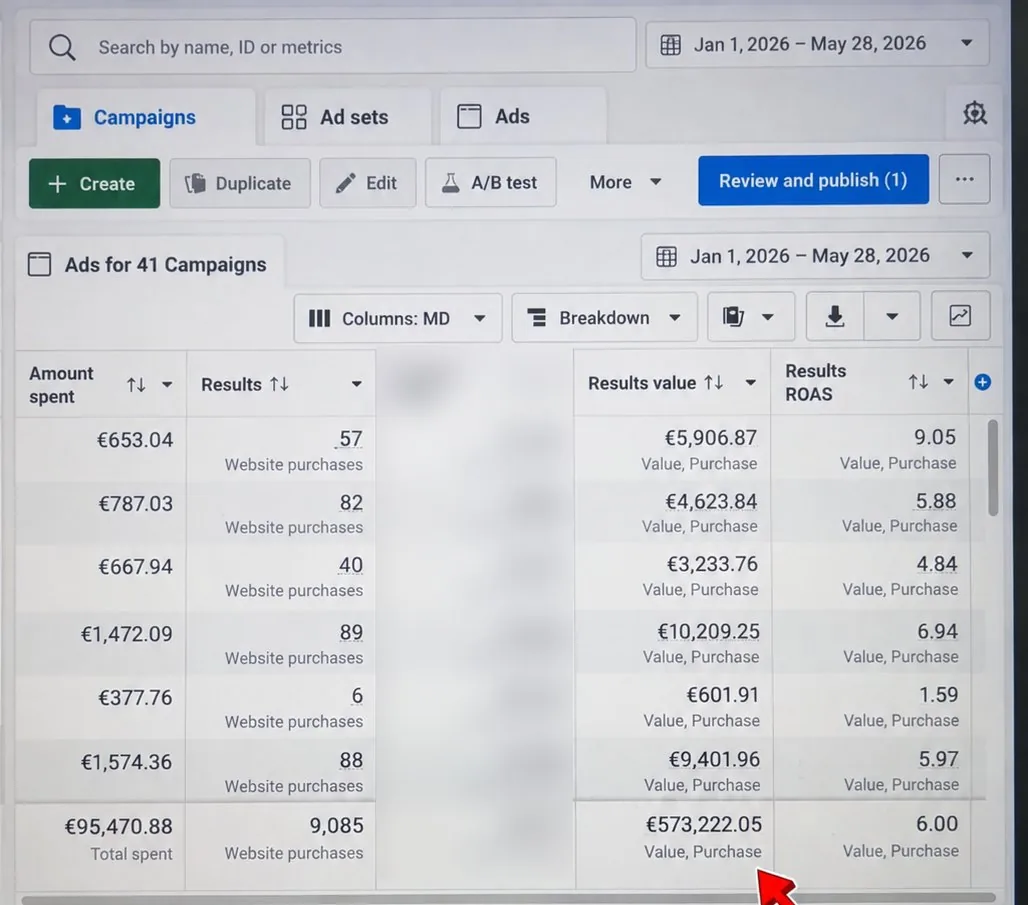
Tracked purchase value is not profit, and results vary. The lesson for a restaurant is the same: once you know your guests, you can see which message or campaign filled which table.
Want to see which of your guests are worth a message? Apply now for a CRM
Your options
For one venue with simple needs, the guest list inside a good table app may be enough. Many include visit history and basic email tools. Check who owns the list if you leave, and whether consent is stored per guest.
A custom CRM makes sense when the app stops being enough. Typical cases are a group with several venues and shared guests, a hotel restaurant that must see room guests, a beach club with sunbeds and tables, venues that sell events and private dining, or a business that wants bookings, the till and the ads in one view.
| Common route | How Malta Digital does it | |
|---|---|---|
| Guest data | Split across the app, till and WhatsApp | One record per guest, filled automatically |
| Segments | Exported to a spreadsheet now and then | Saved filters that update themselves |
| Consent | One tick box for everything | Stored per channel, with the date and source |
| Allergies | Mixed into marketing notes | Kept with the booking, hidden from marketing |
| First working version | Depends on the tool | In 2–4 weeks for a focused system |
| Ownership | The app owns the login | You own every line of code we build for you |
A custom restaurant CRM starts from €7,500. We start as soon as the first payment is made. A focused system has its first working version in 2–4 weeks. Bigger systems are live within 2–3 months at most.
Larger digital projects may qualify for the Digitalise your SME grant, which has a minimum grant of €25,000. The funding body decides eligibility. We prepare the technical specification and quote.
Not sure you need a CRM at all? Try our which CRM is right for me quiz, then apply below and tell us how guests book today. If your booking app is enough, we will say so.
A few straight answers
A restaurant CRM is a guest database built from bookings, visits and notes. It shows each guest’s visits, party size, preferences and marketing consent, so you can recognise regulars and invite back guests who have not returned.
Contact details, visit dates, party size, total spend per visit, table and seating preferences, occasions the guest chose to share, and consent for each channel. Kitchen notes such as allergies should stay tied to the booking, not the marketing list.
Sometimes. Under regulation 9(2) of S.L. 586.01, you may email or text customers whose details you got when they bought from you, about your own similar products, if they could say no when you collected the details and can opt out in every message. Everyone else needs prior consent.
Only to people who gave you their number and opted in to messages from you, under WhatsApp’s own business policy. That policy also lists alcohol as a restricted category, and Malta is not on its list of countries where alcohol promotions are allowed. Keep drink deals off WhatsApp.
Allergy details can count as health data under Article 9 of the GDPR. Record only what the kitchen needs for that booking, limit who can see it, delete it when it is no longer needed, and never use it to target marketing.
Not always. For one venue with simple needs, the guest list in a good booking app may be enough. A CRM pays off when you have several venues, need spend from the till, run events or private dining, or want bookings, marketing and ads connected.
Ready-made booking apps include a guest list in some plans. A custom restaurant CRM from Malta Digital starts from €7,500 as a one-off project, plus hosting and support. We start as soon as the first payment is made. A focused system has its first working version in 2–4 weeks. Bigger systems are live within 2–3 months at most.
Sources
Keep reading
Take table bookings online, cut no-shows and keep one diary.
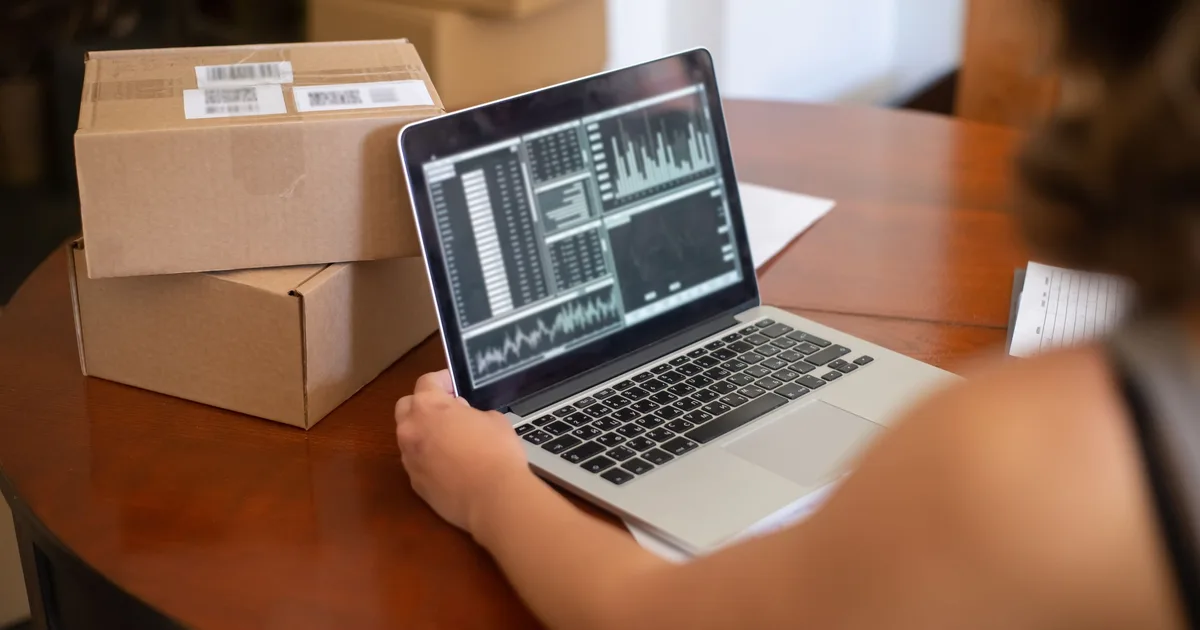
A plain guide to what a CRM does and who needs one.
How to keep customer data legal, safe and useful.
A useful first step
Tell us how guests book, how you take payment and what you send guests today. We reply with a clear first version and what it would cost.
Step 1 of 3
A few quick questions, about a minute. We usually reply within 2–3 hours.