Boost in the Instagram app
Quick, with fewer settings.
Pick a post, choose a simple goal, audience, budget and duration. Good for visibility. Limited targeting, testing and tracking.
Facebook & Instagram ads · How-to
To advertise on Instagram, switch to a professional account, connect it to a Facebook Page, then either boost a post in the app or build a campaign in Meta Ads Manager. Ads Manager is the better choice for enquiries and sales, because you choose the objective, audience, placements and tracking. You set the budget yourself, and there is no minimum contract.
By Malta Digital · Published · Updated · 5 min read
Before you start
Set up the business portfolio and ad account in the business’s name, not a staff member’s or an agency’s personal account. If someone leaves, you keep the account, its history and its audiences.
Two ways
Boost in the Instagram app
Pick a post, choose a simple goal, audience, budget and duration. Good for visibility. Limited targeting, testing and tracking.
Meta Ads Manager
Choose the objective, audience, placements and several ad versions to test. Connects to the Pixel and Conversions API to track enquiries and sales.
If the aim is customers rather than reach, use Ads Manager. The same campaign can also run on Facebook, which usually helps rather than hurts.
Step by step
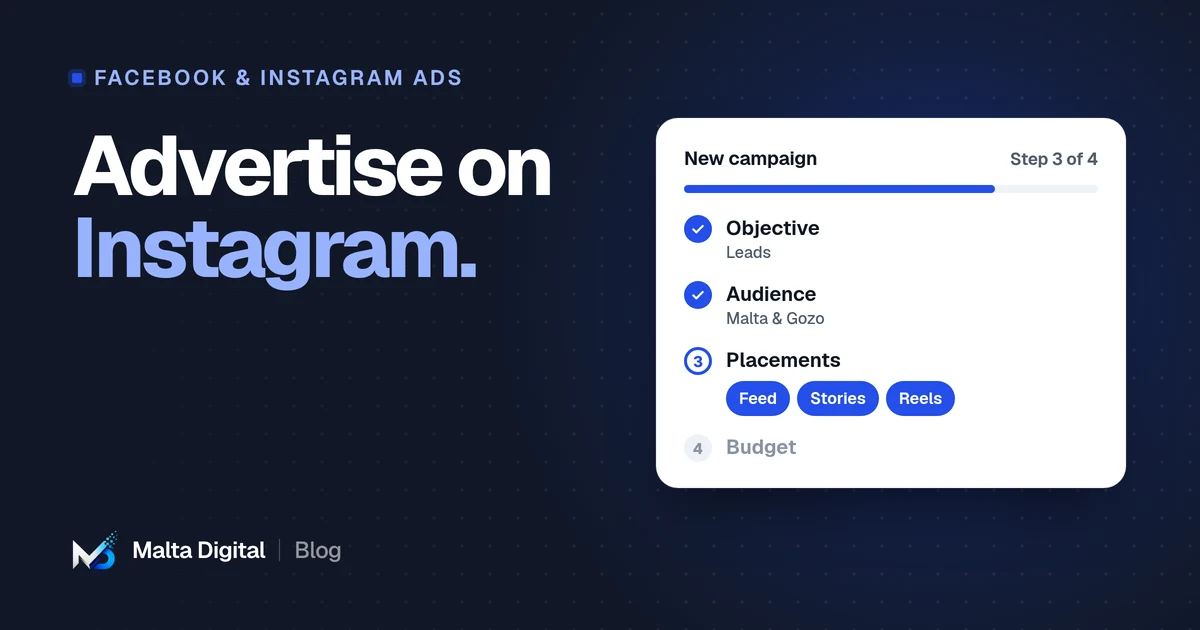
Meta’s objectives are awareness, traffic, engagement, leads, app promotion and sales. For most businesses that means leads or sales.
Set the locations, age range and language. Start broad, then use website visitors, customer lists and lookalikes as data builds.
Leave automatic placements on, or choose Instagram feed, Stories, Reels and Explore. Check results by placement later.
Choose a daily or lifetime budget and a start date. You can pause or change it at any time.
Then build the ads themselves: the images or videos, the main text, a headline and a call-to-action button such as Book now, Learn more or Send message. Meta reviews new ads before they run, usually within a day.
Ad formats
One strong photo with a clear message. Simple and quick to test.
Short vertical video, ideally 9:16. Show the product or service in the first seconds.
Several images or videos people swipe through. Good for menus, products or before-and-after.
Full-screen vertical ads between Stories. Short, bold and easy to act on.
An enquiry form that opens inside Instagram, pre-filled with the person’s details.
Ads that open a conversation in Instagram Direct, WhatsApp or Messenger.
Use vertical creative for Stories and Reels, and portrait or square for the feed. One horizontal video forced into every placement rarely performs well.
Writing the ad
Instagram is visual, but the words still matter. Most people decide in a second or two whether to stop scrolling.
The first line of text and the first seconds of video should say what you offer and who it is for.
Book a table, get a quote, shop the collection. Do not ask people to do three things.
Let the image or video show the result. Use the text to answer the obvious question: price, location or availability.
The page people land on should repeat the offer from the ad, so they know they are in the right place.
Make three or four versions with different images and opening lines. Meta will show the stronger ones more, and you learn what your customers respond to.
Budget
There is no fixed price. Instagram ads run on an auction, and the cost depends on your audience, objective, season and how good the ads are. You choose the budget, and Meta will not spend more than you set.
A sensible way to decide: pick an amount you can keep running for several weeks without judging it every day, so the campaign has time to learn. Then judge it by the cost of real enquiries or sales, not clicks or likes.
Malta notes
Decide whether you want people who live in Malta, people who are here now, or both. Tourism businesses often run separate campaigns for each.
The same people see your ads often. Plan new creative every few weeks.
Many people in Malta would rather message than fill in a form. Reply quickly, and make sure messages reach someone.
Summer, the festa season and Christmas change who is around and what they want. Plan campaigns around them.
Common mistakes
After launch
Avoid changing everything at once. Small, steady changes make it clear what made the difference.
A few straight answers
You can boost posts from a professional account in the Instagram app. For full campaigns in Ads Manager, connecting a Facebook Page and a business ad account is the standard setup.
You set the budget, and Meta charges through an auction. The real cost depends on your audience, season and creative. Judge it by the cost of real enquiries or sales.
Meta reviews new ads before they run. Most are reviewed within a day, though some take longer.
For most businesses, yes. One campaign can run on both, and Meta moves budget to where results are better. Review the placement results after a fair test.
Yes. We plan, build and manage Facebook and Instagram ad campaigns, with tracking and regular reporting. We do not offer organic posting.
Keep reading
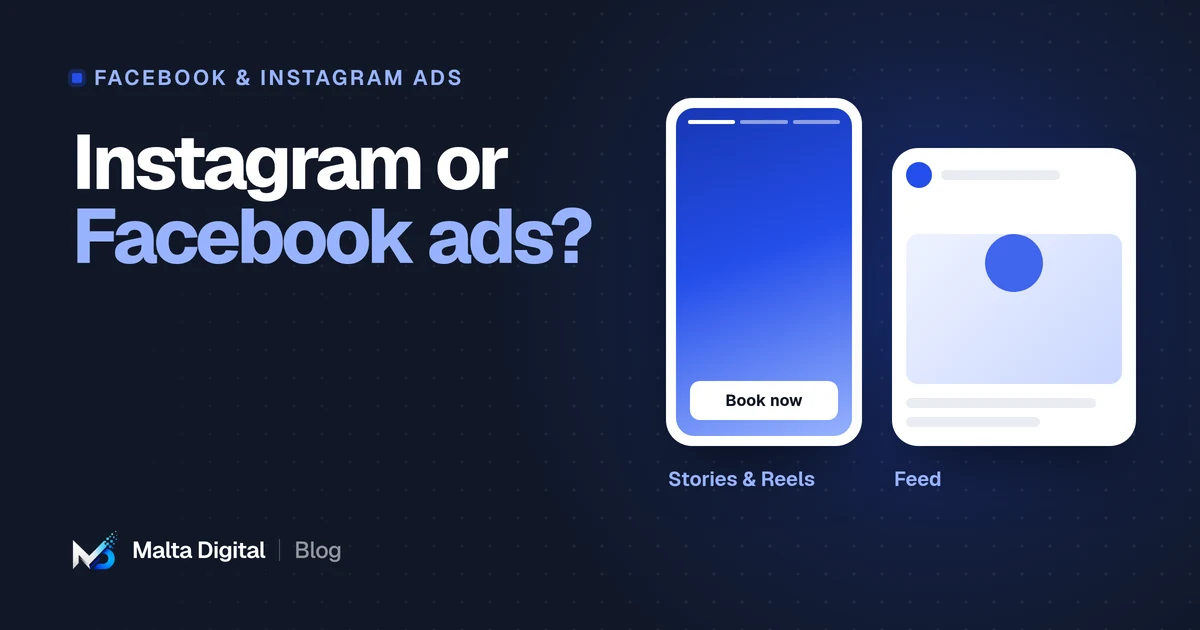
Same tool, different apps. What changes between Instagram and Facebook ads, and how to choose.
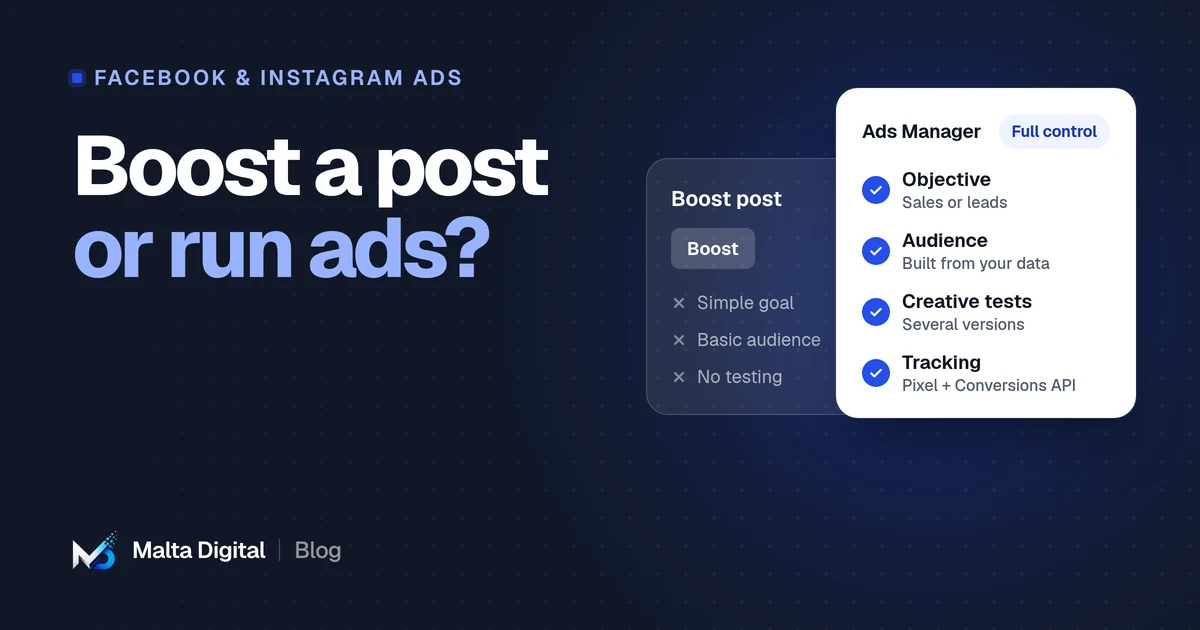
Boosting is quick. Ads Manager gives you control. What the difference means for enquiries and sales.
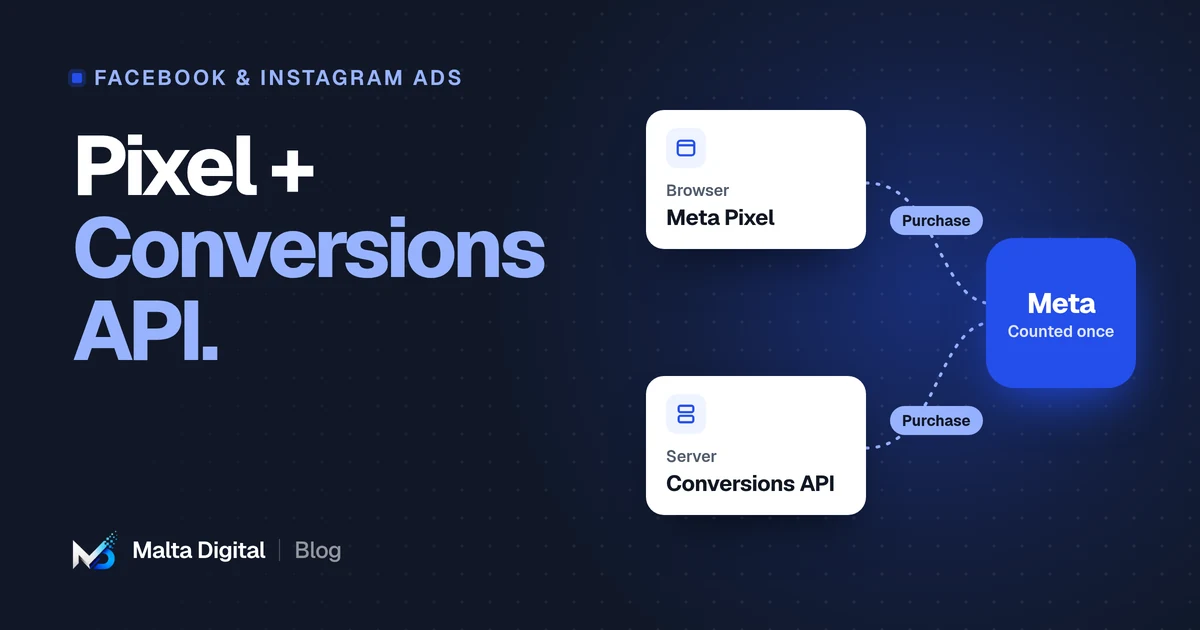
What the Pixel and the Conversions API do, why the Pixel alone misses sales, and how to check your setup.
A useful first step
We’ll look at your offer, campaigns, tracking and landing page, then explain what we would change first. Initial review at no charge.